


Region of Origin

Commodity:
Cacao
Description & Origin
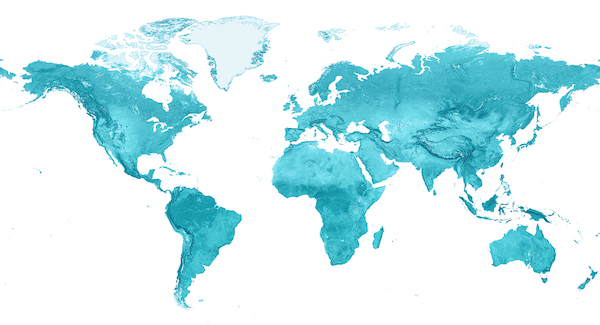
Cacao refers to the pods of the tropical tree Theobroma Cacao, as well as the ingredients made from them (like nibs, paste, and powder). The pods are large, football-shaped, and about 8 to 14 inches long. There are many varieties, each of which has a distinct shape and color when mature, from yellow to orange to red to brown. Each pod houses about 40 beans that are surrounded by a white pulp. The ...
Health Benefits & Nutrition
Cacao is naturally rich in fiber, iron, magnesium, and antioxidants, especially flavanols. These compounds play a key role in supporting heart health and reducing oxidative stress. Unlike heavily processed cacao, raw or minimally processed cacao retails more of its original nutrients, making it a more concentrated source of beneficial compounds.
Traditionally, cacao has been used for centuries by indigenous cultures across central and south America. The Mayans and Aztecs consumed cacao in ceremonial drinks and relied on it to ease fatigue, boost mood, and even address digestive or respiratory complaints. It was also thought to support health function and vitality, both physically and emotionally.
Commercial Availability (Grown for the US Market)
Foodservice Tips
Traditional Culinary Uses
Cacao has traditionally been used to prepare bitter ceremonial drinks in Mesoamerican cultures, often blended with water, chiles, and spices. Today, the beans of the pod are most commonly fermented, dried, roasted, and de-husked to create cacao nibs. These nibs are then processed further to create rich chocolate.
Flavor Pairings
Avocado, Banana, Cherry, Coconut, Fig, Orange, Pear, Raspberry, Beet, Basil, Mint, Cardamom, Cinnamon, Almond, Cashew, Sea Salt, Coffee, Brown Sugar Goat Cheese, Pork, Chicken
How to Prepare
Carefully score the pod or use a wood object to whack it open like a coconut, just be sure not to cut all the way through the pod! Once the pod can be pulled apart, gently remove the beans.
How to Store & Use in the Kitchen
Cacao should be used as soon as possible, and storage should be avoided. If storage is needed, store at room temperature away from the sun.


Fight Food Waste Tips for root to stem cooking
The pods themselves are not eaten but are often used as compost or cattle feed.
Warehouse Storage & Handling
Maintain these conditions for optimal short-term storage shelf life.*
IDEAL STORAGE TEMP:
55-70°F
RECOMMENDED TEMP STORAGE ZONE:
55-60°F (Warm Storage)
SUBJECT TO CHILLING INJURY:
Yes – When exposed to temperatures below 50°F, it can cause premature pod rotting, dark, water-soaked lesions, and internal browning or blackening of the pulp.
RELATIVE HUMIDITY:
50-70%
PRODUCES ETHYLENE:
No
SENSITIVE TO ETHYLENE:
Unknown
RIPENS AFTER HARVEST
No – cacao pods to not ripen post-harvest.
PROFESSIONAL RIPENING RECONMMENDED
No – professional ripening is not needed for cacao.
Quality Assessment
The outer color of a cacao pod does not reliably indicate ripeness. Instead, gently shake the cacao pod. If the insides move around a bit, the cacao is ripe. If there is liquid sloshing inside, the fruit is likely overripe. Unfortunately, it is often impossible to detect inner defects until the pod is opened.
Important Handling Notes
Store away from moisture and sunlight to preserve shelf-life. Also store away from strong odors as cacao absorbs smell easily.
Optimum Shelf Life
Depending on the variety and how it’s stored, cacao can last up to 12 months.


