


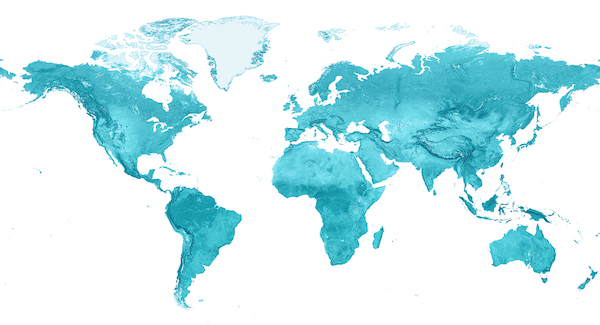
Region of Origin

Commodity:
Tamarind
Description & Origin
Tamarind grows on a beautiful, ornamental tree native to the tropics. The tree is most well-known for its gray-brown or light-brown pods, which grow in abundance on new branches. At full maturity, the pods become brittle, thin, and easy to crack open. Inside, several large glossy seeds are encased in a pulp that naturally dehydrates into a thick, sticky brownish-red paste. Tamarind pulp is incredi...
Other Names
Puli (Tamil), Imalee (Hindi), Tamarindo (Spanish)
Health Benefits & Nutrition
Tamarind contains a range of vitamins and minerals, although its nutritional properties are not well studied.
Our Varieties

Tamarind Seedless
Description
Seedless tamarind is sour tamarind pulp that has had the pods and seeds removed. It is reshaped and packaged into a convenient brick. Some fibrous veins may remain, but they can usually be removed.
Variety Tips & Tricks
Seedless tamarind is a minimally processed convenience that makes the process of creating tamarind paste easier. It can be used in the same way that sour tamarind in the pods is used.
Commercial Availability (Grown for the US Market)

Tamarind Sour
Description
Sour tamarind is the most common variety of tamarind, prized for its extremely tangy, sour flavor. Sour tamarind’s flavor is more complex than that of sweet tamarind, with heady notes of earth, caramel, lemon, and lime.
Variety Tips & Tricks
Sour tamarind is the preferred variety for cooking and savory dishes. It is most often processed into paste. Some prefer to process paste from the whole pod rather than the processed seedless bricks in order to ensure the freshest possible product.
Commercial Availability (Grown for the US Market)

Tamarind Sweet
Description
Sweet tamarind comes from certain varieties of tamarind tree that produce a very sweet paste. They are still very sour, but their flavor is balanced by natural, candy-like sweetness. Sweet tamarind can only be grown in certain areas and is often less available than sour tamarind.
Variety Tips & Tricks
Sweet tamarind is delicious out-of-hand as a natural snack. It can also be processed into paste and used as an ingredient, but is best reserved for dessert or drink applications rather than use in savory dishes.
Commercial Availability (Grown for the US Market)
Foodservice Tips
Traditional Culinary Uses
Tamarind is most associated with South Indian cuisine, although it also plays an important role in the food of Thailand, Indonesia, the Philippines, Mexico, and the Caribbean. Sour tamarind is a key souring ingredient, used to add tartness and earthy sweetness to soups, stews, and curries. It is also used to make a refreshing beverage in many parts of the world. Sour tamarind is most often processed into a paste by soaking the pulp and beans in hot water until soft, pressing through a strainer, and cooking down until thick. Sweet tamarind, a rarer treat, can be enjoyed out of hand as a candy.
Flavor Pairings
Lychee, Pineapple, Tomato, Soy Sauce, Ginger, Mint, Thai Basil, Cilantro, Coconut Milk, Chocolate, Shrimp, Fish, Beef
How to Prepare
Peel the brittle, hard shell off the tamarind and remove the thin “veins” or ribs from the brown paste. The paste can be soaked in hot water and pressed through a strainer to separate it from the seeds. Seeds are most often discarded.
How to Store in the Kitchen
Store tamarind pods in an airtight container in the refrigerator to maximize shelf life.


Fight Food Waste Tips for root to stem cooking
Tamarind paste, if properly prepared, can last up to a month.
Warehouse Storage & Handling
Maintain these conditions for optimal short-term storage shelf life.*
IDEAL STORAGE TEMP:
45-50°F
RECOMMENDED TEMP STORAGE ZONE:
40-54°F (Cool Storage)
SUBJECT TO CHILLING INJURY:
Yes. Discoloration and decay are indicators of chilling injury.
RELATIVE HUMIDITY
85-95%
PRODUCES ETHYLENE:
Unknown
SENSITIVE TO ETHYLENE
Yes- High
ETHYLENE RECOMMENDATIONS:
Store away from ethylene producing items.
RIPENS AFTER HARVEST
No.
PROFESSIONAL RIPENING RECONMMENDED
No.
Optimum Shelf Life
Depending on variety, conditions at harvest, and handling, tamarind may last up to 3-4 weeks


