


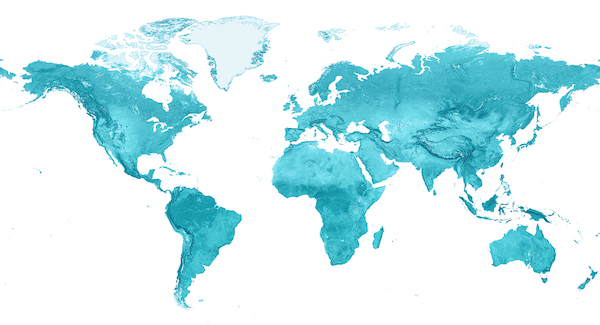
Region of Origin

Commodity:
Rhubarb
Description & Origin
Rhubarb is the stalk of the garden variety of the rhubarb plant. The plant contains large quantities of oxalic acid in its broad leaves, which are highly toxic, but the stalks are entirely edible. In fact, they are prized for their acidic, tart flavor – a welcome flavor during the spring when it is in season. The broad, fleshy stalks have an appearance and texture similar to celery, and range from...
Other Names
Pie Plant
Example Cultivars
Victoria, Crimson, Valentine, Canada Red, Cherry Red
Health Benefits & Nutrition
Rhubarb is high in fiber and a good source of vitamin K, which is important for bone health. It is also high in vitamin C, calcium, fiber, and potassium. It has been traditionally used as a mild laxative and liver cleanser around the world for centuries.
Commercial Availability (Grown for the US Market)
Foodservice Tips
Traditional Culinary Uses
Rhubarb is bracingly sour when raw and is usually only eaten after being cooked – most often using a good deal of sugar to counterbalance its intense tartness! Most popularly, rhubarb is used as a filling for pies or tarts. It can also be cooked into a syrup and used to flavor sorbets or enliven cocktails.
Flavor Pairings
Ginger, Strawberries, Oranges, Grapefruit, Apples, Coconut, Mint, Vanilla, Caramel, Ice Cream, Cinnamon, Cardamom, Nutmeg, Maple Sugar, Cane Sugar
How to Store & Use in the Kitchen
Rhubarb should be stored in the refrigerator in a sealed bag or container. When ready to use, it can be simply chopped and cooked. Once cut or processed into sauce it can be frozen for later use.


Fight Food Waste Tips for root to stem cooking
Unfortunately, the leaves of the rhubarb plant are toxic and cannot be eaten raw or cooked – they should be discarded. Otherwise, the entire stalk of the plant can be used in baked goods, made into syrups and purees, or even added to soups and stews.
Warehouse Storage & Handling
Maintain these conditions for optimal short-term storage shelf life.*
IDEAL STORAGE TEMP:
32°F
RECOMMENDED TEMP STORAGE ZONE:
32-39°F (Cold Storage)
SUBJECT TO CHILLING INJURY:
No - rhubarb can tolerate cold temperatures.
RELATIVE HUMIDITY:
95-100%
PRODUCES ETHYLENE:
No
SENSITIVE TO ETHYLENE:
No
Important Handling Notes
Rhubarb should always be kept cold and moist. Temperature fluctuations will cause early decay at the cut ends of the stalks, and lack of proper humidity will cause the stalk to desiccate.
Optimum Shelf Life
Depending on variety, conditions at harvest, and handling, rhubarb may last up to 4 weeks.


