


Region of Origin

Commodity:
Jerusalem Artichoke
Description & Origin
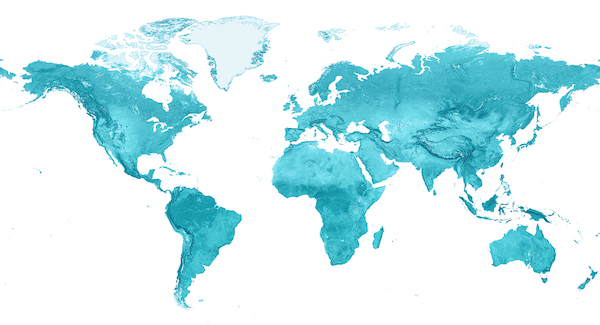
Jerusalem artichokes are tubers (not actually roots) of a type of sunflower. Despite the name, they are not related to artichokes, nor are they associated with Jerusalem. The knobby, root-like vegetable can vary in appearance depending on the cultivar and country of origin. Some are bulbous and knobby, while others are elongated with few knobs. Roughly the size of a Yukon potato, the root has a th...
Other Names
Sunchokes™, Topinambour (France)
Example Cultivars
French Mammoth White, Fuseau
Health Benefits & Nutrition
Jerusalem artichokes are rich in a type of indigestible fiber called inulin. Inulin is a known pre-biotic that serves as a food source for beneficial pro-biotic bacteria like bifidobacteria that are associated with good gut health. The beneficial bacteria may produce carbon dioxide when digesting the inulin, hence the Jerusalem artichoke’s association with flatulence, although responses vary significantly from person to person.
Commercial Availability (Grown for the US Market)
Foodservice Tips
Traditional Culinary Uses
Jerusalem artichokes, which are most popular during the fall and winter seasons, are used much like any root vegetable in North America and Europe. They can be boiled, roasted, caramelized, or braised and served as-is or pureed into rich soups and sauces. Jerusalem artichokes can even be eaten raw, sliced thinly and used as a unique, nutty garnish or addition to salads. Some say that soaking cut pieces in lemon juice or vinegar before cooking can tame the “windy” nature of this root.
Flavor Pairings
Parsley, Rosemary, Sage, Fennel, Leek, Celery, Tuscan Kale, Maitake Mushroom, Truffle Mushroom, Horseradish, Garlic, Lemon, Hazelnut, Raisin, Balsamic Vinegar, Olive Oil, Maple Syrup, Cream, Butter, Lamb, White Fish, Scallop
How to Store & Use in the Kitchen
Store in the refrigerator in a sealed container or bag to prevent moisture loss.
Jerusalem artichokes do not need to be peeled, but should be given a good scrub with a stiff brush before use. If the tuber is especially knobby, a quick parboil can help remove stubborn soil. They can be peeled if it is preferred. The tuber can be cooked whole or cut into chunks or slices before cooking. Store cut pieces in ice water immediately to prevent the slices from some slight browning.


Fight Food Waste Tips for root to stem cooking
The entire root is edible, skin and all. Use across menu-parts: raw in salads, pureed into decadent soups, as a sauce for creative appetizers, and roasted as a side for a variety of proteins.
Warehouse Storage & Handling
Maintain these conditions for optimal short-term storage shelf life.*
IDEAL STORAGE TEMP:
32-36°F
RECOMMENDED STORAGE TEMP ZONE:
32-39°F (Cold Storage)
SUBJECT TO CHILLING INJURY:
No
RELATIVE HUMIDITY:
90-98%
PRODUCES ETHYLENE:
No
SENSITIVE TO ETHYLENE:
No
Quality Assessment
Jerusalem artichokes should be relatively smooth skinned and free of mechanical damage or decay. Look for very firm tubers.
Important Handling Notes
Jerusalem artichokes are very sensitive to RH. Ensure that the tubers are stored at the proper humidity in order to prevent water loss and early softening. They are susceptible to bruising, so handle with care.
Optimum Shelf Life
Depending on variety, conditions at harvest, and handling, Jerusalem artichokes may last up to 6 months.


