


Region of Origin

Commodity:
Dried Date
Description & Origin
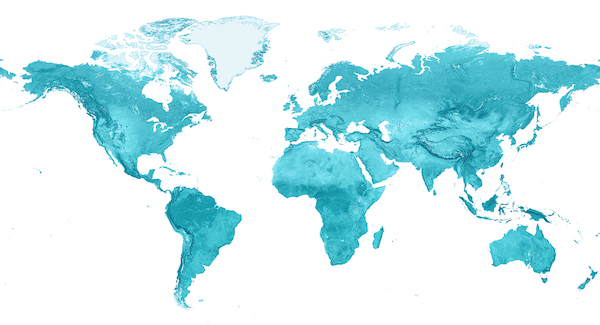
Dates are the fruit of the date palm, a desert plant native to the Persian Gulf. The small, oblong fruits usually 1 to 3 inches in length grow in large clusters hanging from stalks. The fruit begins hard and crunchy. Fruits destined for sales as dried are primarily harvested when fully ripe and “dry” – a stage known as “tamar” – although they are actually still quite moist at this point. Some may ...
Health Benefits & Nutrition
Fresh dates are a good source of potassium and fiber. They contain large amounts of powerful phytochemicals like flavonoids, carotenoids, polyphenols, phytoestrogens, and sterols that are antioxidant, anti-inflammatory, anti-cancer and have been associated with lower cholesterol, reduced risk of heart disease. Dates have long been associated with good health and protective capabilities in traditional medicine since ancient times.
Our Varieties

Dried Date Deglet Noor Stem
Description
In their native Tunisia, deglet noor are sometimes packed with their stems and pits intact. Because these dates do not have to go through the process of pitting, or any extra drying post-harvest, they have a superior texture and are moister than your typical pitted deglet noor.
Variety Tips & Tricks
On-stem deglets are the best date for display in centerpieces or on snack or cheese boards.
Commercial Availability (Grown for the US Market)

Dried Date Medjool Bonbon
AKA: Rutab Medjool
Description
The bonbon medjool is a special extra premium variety of XXL medjool date that is harvested by hand when the fruit has just reached peak ripeness – a stage called rutab, which occurs just before the fully mature and dried stage, tamar. This makes them an exceptionally juicy, plump, and delicate fruit. These are luxurious fruits prized for their excellent texture and honeyed flavor. The careful harvest of bonbon medjools occurs primarily in Israel, which has spearheaded its production. For more details on medjool dates, see below.
Variety Tips & Tricks
Bonbon medjools are more delicate than other date varieties and require special handling. Keep frozen to ensure best quality.
Commercial Availability (Grown for the US Market)

Dried Date Medjool Fancy
AKA: Medjoul Dates
Description
Known as the "King of Dates," medjool dates are large, soft, and luscious. They are typically packed by size and quality. Medjools can vary in weight from 14 grams (medium) to upwards of 25 grams per piece (super jumbo). The highest quality medjool dates have little to no separation of their thin skin from the flesh. The highest and most common quality grade is called Premium or Class I – referred to in the US as Fancy or Grade A. There are also Choice grade dates (Grade B) that offer the same flavor but with more skin separation. All medjools are plump with maple brown, glossy, thin skin. They are a fully soft date variety with extremely tender, thick flesh that is almost creamy. They are most often sold with pit intact, as their soft flesh does not hold up well in storage after pitting. Medjool are among the sweetest of date varieties, almost cloyingly so, with hints of caramel, honey, vanilla, and cinnamon.
Variety Tips & Tricks
The candy-like sweetness of medjool dates makes them ideal for eating fresh or use in applications where a thick paste is desired. Keep in mind that medjool usually have a pit, and may have a small piece of dried stem at one end, which should be removed prior to eating.
Commercial Availability (Grown for the US Market)

Dried Date Deglet Noor Pitted
AKA: Deglet Nour
Description
Known as the “Queen of Dates,” the deglet noor was originally from Algeria and Tunisia and has since become the most widely grown date variety in California. Their name means “fingers of light” in Arabic. Deglets are a medium-sized date with a narrow, elongated shape and relatively thin flesh with a semi-dry texture. These dates are yellow to amber in color. The fruit is not very sweet, but they have a wonderful nutty flavor. Their firm texture makes them an excellent candidate for pitting, and they are most often sold with pits removed. After pitting, deglets are normally dried further to enhance shelf life.
Variety Tips & Tricks
Deglet noor are the preferred variety for baking because of their firm, semi-dry texture that allows them to be pre-pitted by machine. They can also be easily chopped without becoming mushy and add a pleasant chewy texture to breads, cookies, and cakes. Deglets are also the preferred variety for the manufacture of date sugar, which is an alternative sweetener.
Commercial Availability (Grown for the US Market)
Foodservice Tips
Traditional Culinary Uses
Dates are delicious out of hand as a snack or way to break a fast. They are traditionally processed into paste and used as a filling for a variety of cookies and baked goods such as Iraqi kleicha, Arabian maamoul, Egyptian Ara’eesh, or Lebanese makrouta. Dates are also made into a syrup that can be used much like maple syrup. Savory recipes for dates are also common, particularly in Morocco where dates and other dried fruits are often incorporated into tagines. In the US, recipes featuring Medjool dates rolled into “energy balls,” stuffed with nut butter, dipped in chocolate, blended into non-dairy milks, and wrapped in bacon have become popular with bloggers. Firmer varieties are commonly chopped and added to granola or trail mix.
Flavor Pairings
Banana, Orange, Apricot, Coconut, Ginger, Shallot, Mint, Walnut, Almond, Pistachio, Coffee, Cinnamon, Honey, Goat Cheese, Blue Cheese, Bacon, Chicken
How to Prepare
Dates can be eaten whole and are typically not washed. To de-seed dates with pits, slice the date lengthwise to the center and remove the pit.
How to Store in the Kitchen
Dates can be kept at room temperature in an enclosed container, but keep best when refrigerated and even better when frozen, which can help them last for up to a year.


Fight Food Waste Tips for root to stem cooking
Date seeds can be roasted, ground into a powder, and made into a coffee-like beverage.
Warehouse Storage & Handling
Maintain these conditions for optimal short-term storage shelf life.*
IDEAL STORAGE TEMP:
0-32°F
TEMP STORAGE ZONE:
32-39°F
RELATIVE HUMIDITY:
75%
PRODUCES ETHYLENE:
No
SENSITIVE TO ETHYLENE:
No
Quality Assessment
The highest quality dried dates should have small pits and thick flesh, although thickness of flesh, color, and moisture level vary depending on the variety. They should be free of dirt, sand, and leaf particles. The skin should be smooth, with little to no shriveling or cracking. Dates with crystalized sugar deposits are edible, but have been in storage for too long.
Important Handling
Dried dates can absorb strong odors and should not be stored with garlic, onion, or potatoes.
Optimum Shelf Life
Depending on variety, conditions at harvest, and handling, dried dates may last up to 6-12 months.


