


Region of Origin



Commodity:
Dill
Description & Origin
Dill is an aromatic herb in the parsley family with a tall branching stem. It is known for its characteristic blue-green, wispy, fern-like leaves that look much like the tops of fennel plants. The plant is also the source of dill seed, a popular flavoring in pickles. Fresh dill has a strong flavor with notes of parsley, lemon, and anise.
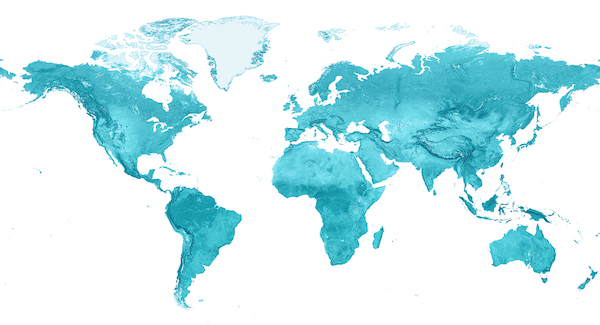
It is believed that dill is native to the Me...
Other Names
Dill Weed
Health Benefits & Nutrition
Dill contains a number of vitamins and minerals, although in very small quantities when eaten as a garnish. Historically, dill, both fresh and its seeds, has been associated with treatment of gastrointestinal issues, strengthening brain function, and relieving headache.
Commercial Availability (Grown for the US Market)
Foodservice Tips
Traditional Culinary Uses
Dill weed is a ubiquitous flavor in Eastern European, Northern European, Russian, and much Mediterranean cooking and plays a much more significant role than just that of garnish. It is used liberally in cold salads involving beets, potatoes, carrots, cabbage, cucumbers, or hard-boiled eggs and tastes delicious when paired with cream, crème fraiche, or yogurt in a sauce, such as tzatziki or koprová omáčka, a creamy Czech dill sauce. It can also be used in cooked applications like spanakopita, and pairs particularly well with eggs and fish. Dill is a natural pairing with pickled or smoked vegetables and fish.
Flavor Pairings
Potato, Beet, Carrot, Cabbage, Lemon, Garlic, Parsley, Spinach, Tomato, Cucumber, Mustard, Sour Cream, Cream, Egg, Chicken, Fish
How to Prepare
Wash fresh dill by swishing gently in a bowl of cold water. Let drip dry on a towel. The stems are tender and can be chopped along with the frilly leaves, but thicker central stems should be removed to maintain the delicate texture, if desired.
How to Store & Use in the Kitchen
Keep dill in a sealed bag or container in the refrigerator.


Fight Food Waste Tips for root to stem cooking
Any removed stems can be used to stuff and flavor chicken and fish or even season stocks or soups.
Warehouse Storage & Handling
Maintain these conditions for optimal short-term storage shelf life.*
IDEAL STORAGE TEMP:
32°F
RECOMMENDED TEMP STORAGE ZONE:
32-39°F (Cold Storage)
SUBJECT TO CHILLING INJURY:
No
RELATIVE HUMIDITY:
95-100%
PRODUCES ETHYLENE:
Yes-Very Low
SENSITIVE TO ETHYLENE:
Yes-High
ETHYLENE RECOMMENDATIONS
Do not store dill near ethylene producing items, which can cause yellowing and decay.
Quality Assessment
Dill should be fresh, turgid, and aromatic. Quality issues include wilting, excessive yellowing, or areas of decay.
Important Handling Notes
Dill and most other soft herbs should be stored as close to 32°F as possible to maximize their shelf life.
Optimum Shelf Life
Depending on variety, conditions at harvest, and handling, dill may last up to 1-2 weeks.


