


Region of Origin



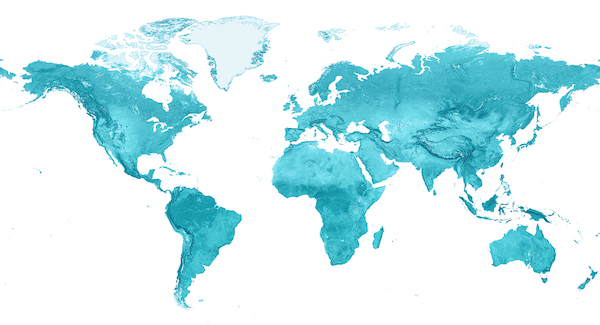
Commodity:
Chives
Description & Origin
Chives are related to onions, garlic, and leeks. They are grown for their long, very fine, hollow green leaves that grow in dense clusters. Their pale purple flowers are also used, but generally sold separately. The herb has a subtle onion flavor, much less pungent than onion or garlic.
Chives are native to Europe, Asia, and North America. Culinary use of the chive may have originat...
Other Names
Ciboulette (French), Gräslök (Swedish), Bieslook (Norway), Schnittlauch (German)
Health Benefits & Nutrition
Chives are a good source of vitamin K and other vitamins and minerals. In traditional medicine, chives were believed to ease digestion and stimulate appetite. Like other plants in the onion and garlic family, they contain sulfuric compounds that are being studied for their anti-cancer and antimicrobial effects.
Commercial Availability (Grown for the US Market)
Foodservice Tips
Traditional Culinary Uses
Chives are a prominent herb in European – especially French and Swedish – and Japanese cuisines (in China, different varieties of chives are primarily used). They are a component of the traditional French herb blend: fines herbes. Their subtle flavor makes them best suited for use as a raw garnish on soups, salads, or delicate proteins.
Flavor Pairings
Parsley, Chervil, Tarragon, Butter Lettuce, Gem Lettuce, Radishes, Cucumbers, Tomato, Corn, Asparagus, Potatoes, Eggs, Bagels, Salmon, Cream Cheese, Fromage Blanc, Buttermilk, Olive Oil, Bread, Chicken, Lamb
How to Store & Use in the Kitchen
Store chives wrapped in a damp towel in a container in the fridge.


Fight Food Waste Tips for root to stem cooking
Before chives go bad, preserve any excess in oil or butter and freeze for later use.
Warehouse Storage & Handling
Maintain these conditions for optimal short-term storage shelf life.*
IDEAL STORAGE TEMP:
32-36°F
RECOMMENDED TEMP STORAGE ZONE:
32-39°F (Cold Storage)
SUBJECT TO CHILLING INJURY:
No.
RELATIVE HUMIDITY:
95-100%
PRODUCES ETHYLENE:
No
SENSITIVE TO ETHYLENE:
Yes-High
ETHYLENE RECOMMENDATIONS:
Chives should be stored away from ethylene-producing items. Ethylene exposure can cause severe yellowing.
Quality Assessment
Look for chives with uniform size, bright color, and a strong aroma, without any yellowing or decay.
Important Handling Notes
Chives are especially sensitive to decay – store at recommended temperatures at all times to slow the rate of decay. Even short times at higher temperatures can increase the speed of decay.
Optimum Shelf Life
Depending on variety, conditions at harvest, and handling, fresh herbs may last 2-3 weeks.


